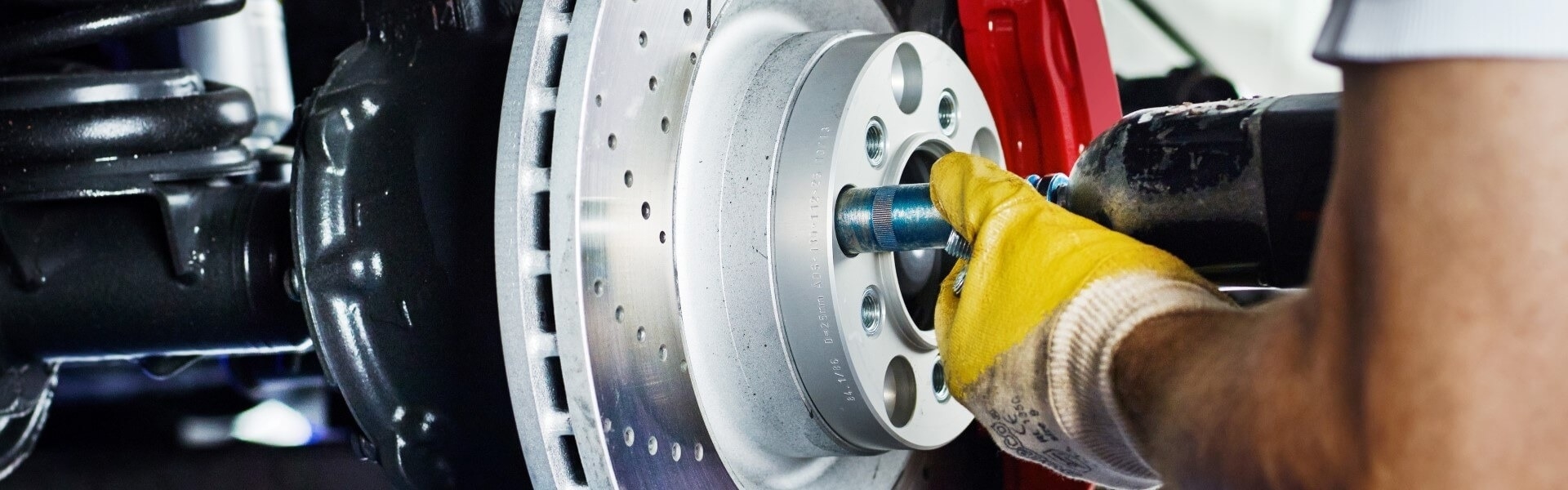
Volkswagen Brake Service near Indianapolis
Keep your Volkswagen running smoothly with professional service, affordable pricing, and a streamlined experience at Dreyer & Reinbold Volkswagen in Greenwood, IN. Our factory-trained technicians specialize in performing detailed brake system evaluations for all Volkswagen models, helping ensure your brakes function properly and efficiently. Count on our expertise to help extend the life of your vehicle, and read on to learn why consistent brake service is essential, including how to know when your brake pads need replacing.
When you're ready for your next brake service, stop by Dreyer & Reinbold Volkswagen in Greenwood, IN. Our automotive resources are extensive, ranging from sales and finance to service and parts. Schedule a service online and take time to browse all our latest Service Specials online today. As your Indianapolis area Volkswagen service center, we're here to meet all your automotive needs and keep your vehicle in pristine condition so you can keep driving.
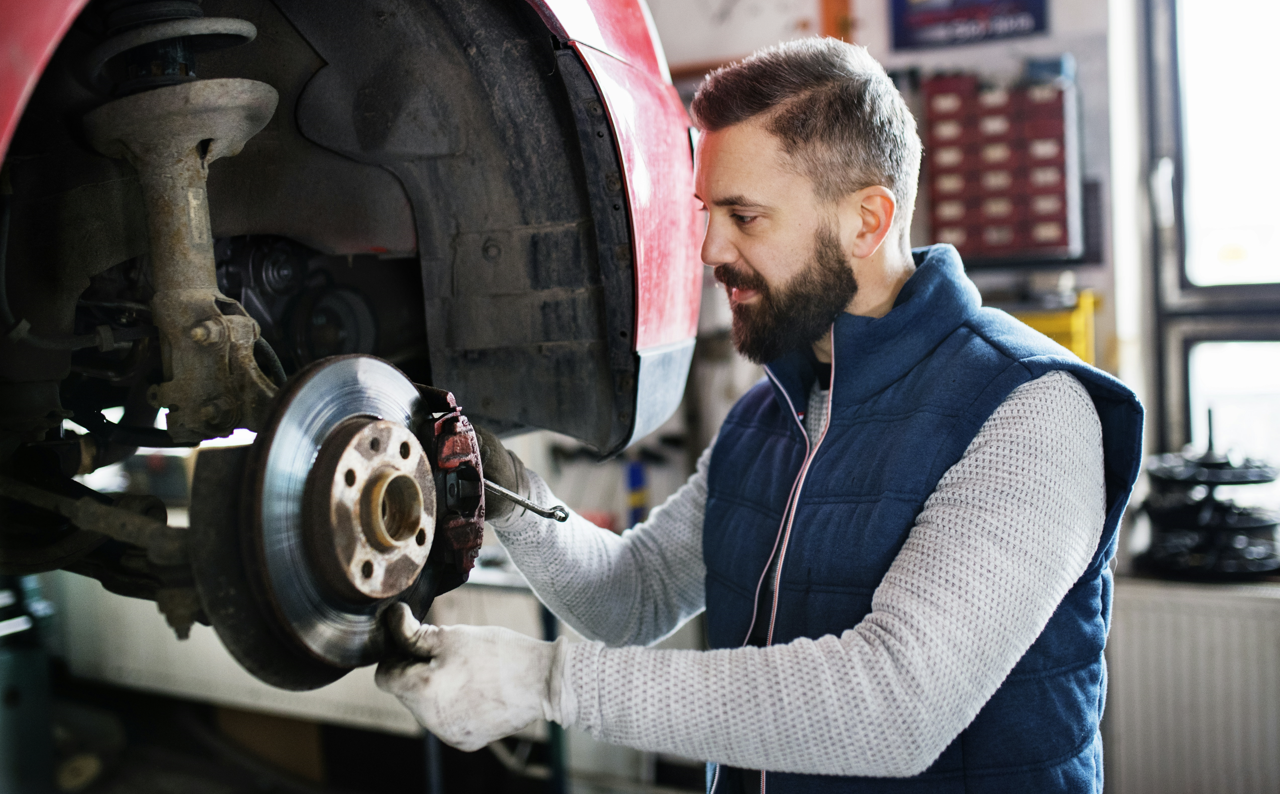
The Critical Role of Routine Brake Checks
Staying on top of brake maintenance is crucial for both safety and long-term vehicle performance. Routine inspections help detect early signs of wear or issues before they lead to more serious repairs. Our Volkswagen-certified service team checks brake pad thickness, inspects the condition of brake shoes, and verifies the level and quality of your brake fluid.
We also assess the integrity of the brake lines, examine calipers for signs of wear, and confirm all brake components are functioning as designed. These comprehensive evaluations keep your Volkswagen’s braking system in peak condition, giving you dependable stopping power and increased confidence on the road.
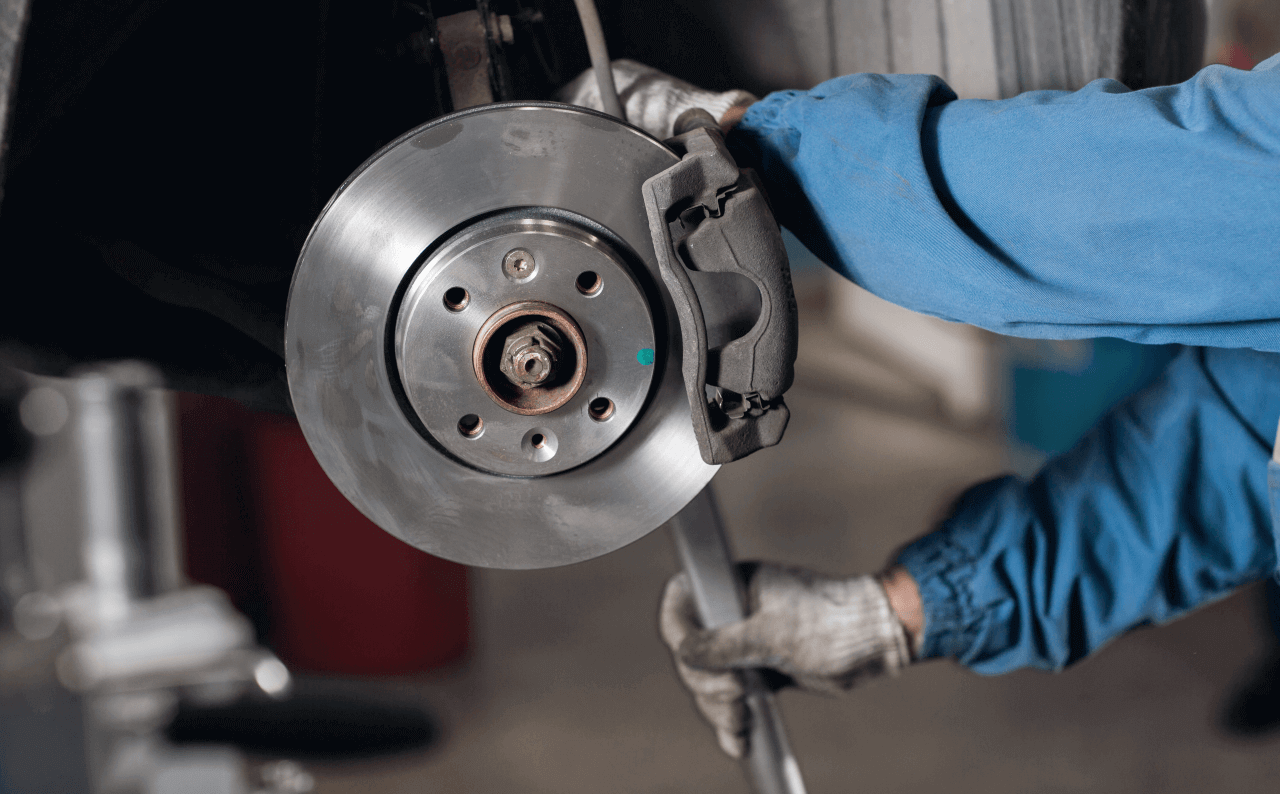
When to Replace Your Brake Pads
Brake pads should generally be inspected every 12,000 to 15,000 miles, and replacements are often needed between 25,000 and 70,000 miles, depending on driving habits and the pad material.
Watch for warning signs like screeching noises, grinding sounds, pedal vibration, or a noticeable drop in braking performance. If any of these symptoms arise, we recommend scheduling a brake check promptly. Catching brake problems early helps prevent further damage and ensures your brakes stay responsive when you need them most.
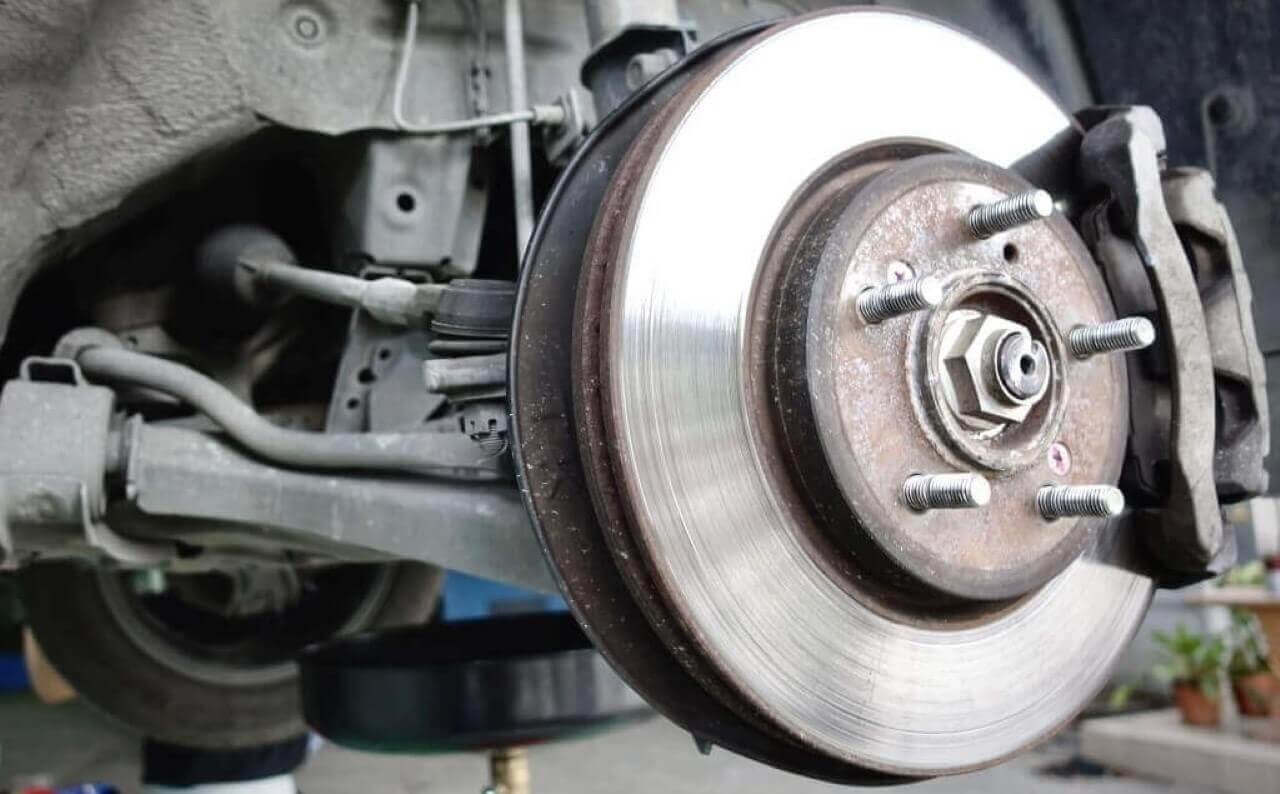
Brake Warning Signs
Recognizing the signs of worn brake pads can significantly improve safety and reduce costs. Common indicators include high-pitched squealing, grinding noises during braking, a shaky or vibrating pedal, and longer stopping distances. Ignoring these symptoms can lead to rotor damage and more extensive repairs.
Scheduling a brake inspection at the first sign of trouble helps maintain your vehicle’s safety systems and prevents minor issues from escalating. Staying proactive with brake care is a smart, simple way to protect both your car and your wallet. Common signs that your brake pads are wearing out include:
- Brakes that feel spongy or are difficult to press down.
- Hearing squealing or grinding sounds.
- The vehicle pulling to one side while braking.
- The steering wheel or brake pedal shakes when you apply the brakes.
- The Anti-Lock Brake System (ABS) warning light is turning on.
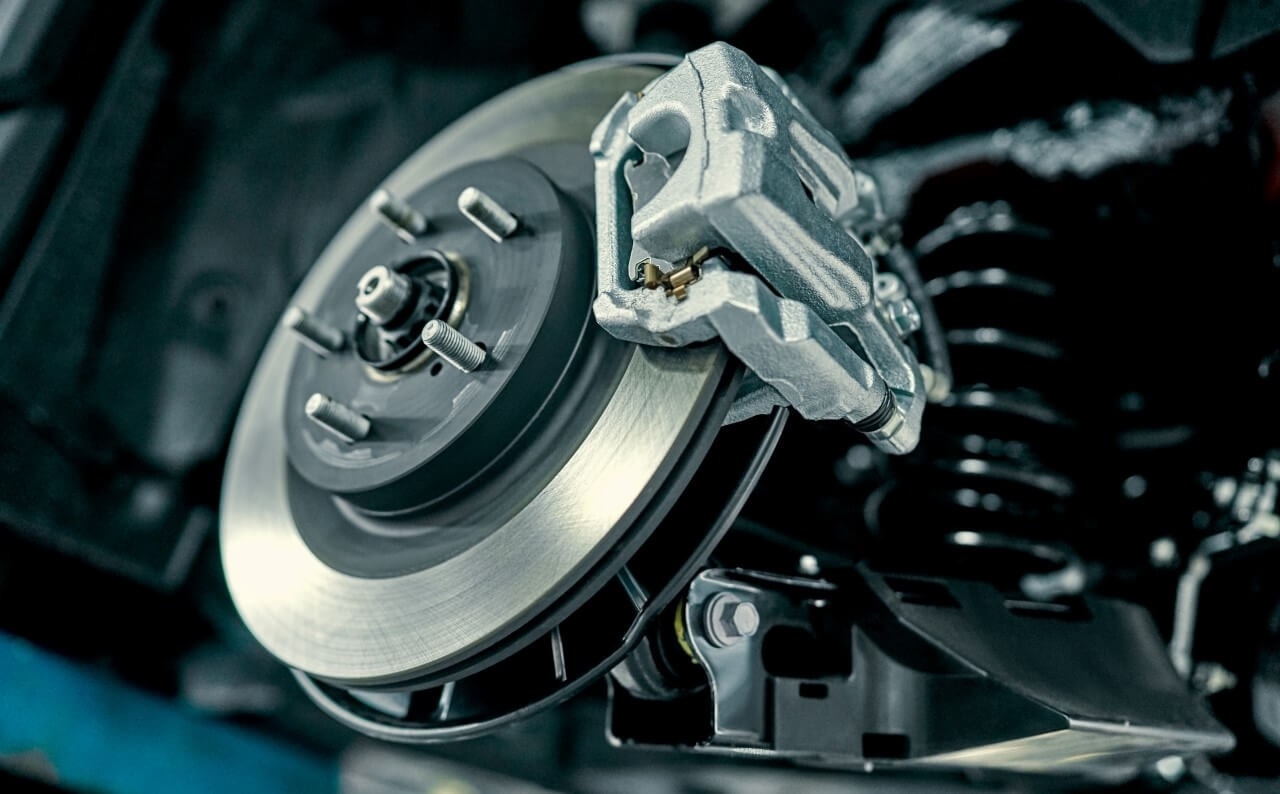
Types of Vehicle Brakes
Modern vehicles are equipped with a variety of braking systems, from traditional hydraulic setups to advanced regenerative systems used in hybrids and EVs. Understanding these technologies can help both prospective buyers and current owners make more informed decisions about vehicle care. The most common braking systems found in modern vehicles include:
- Hydraulic brakes: These employ brake fluid to activate the brake pads or shoes, effectively slowing down the vehicle.
- Drum brakes: In this system, brake shoes press outward against a drum that rotates with the wheel to create friction that slows the vehicle.
- Disc brakes: Known for their superior heat dissipation and effectiveness under wet conditions, disc brakes utilize pads to squeeze a disc or rotor attached to the wheel.
- Anti-lock brakes (ABS): Designed to prevent skidding and maintain steering control during an emergency stop, ABS automatically pulses the brakes in slippery conditions.
- Regenerative brakes: These innovative systems harness a vehicle’s electric motor to slow the car while simultaneously recharging the battery.
Why Choose Dreyer & Reinbold Volkswagen's Service Center?
At Dreyer & Reinbold Volkswagen, we strive to offer our customers efficient and accurate service, and a comfortable lounge area while you wait. When you choose to have your Volkswagen serviced at Dreyer & Reinbold Volkswagen, our team will complete a complimentary car wash after your service, and we even have available loaner cars if you need to go somewhere during your service. While you're in our waiting area, you will enjoy complimentary drinks and snacks, and WiFi.
And unlike other repair and maintenance shops, Dreyer & Reinbold Volkswagen is staffed with Volkswagen experts who are Volkswagen-trained and certified, and know what components and oil are best for your vehicle. Schedule an appointment, or call our service center at 317-885-4807 with any questions. Additional benefits of Dreyer & Reinbold Volkswagen's Service Center include:
- Certified Volkswagen parts
- Motor oil designed for your Volkswagen
- Volkswagen-certified service technicians
- Volkswagen Service Coupons
Brake Service FAQs
Flushing your brake fluid.
Bleeding your brake lines.
Repairing or upgrading rotors, worn brake pads.